

Trust is the real reason people avoid the dentist. Not fear of pain, not the cost — it’s that a lot of patients have been burned before and don’t know how to tell a good dentist from a bad one. After more than two decades practicing in New York City, here’s what I’ve learned about what actually separates an honest dentist from one who isn’t.
It Starts With Listening Before Looking
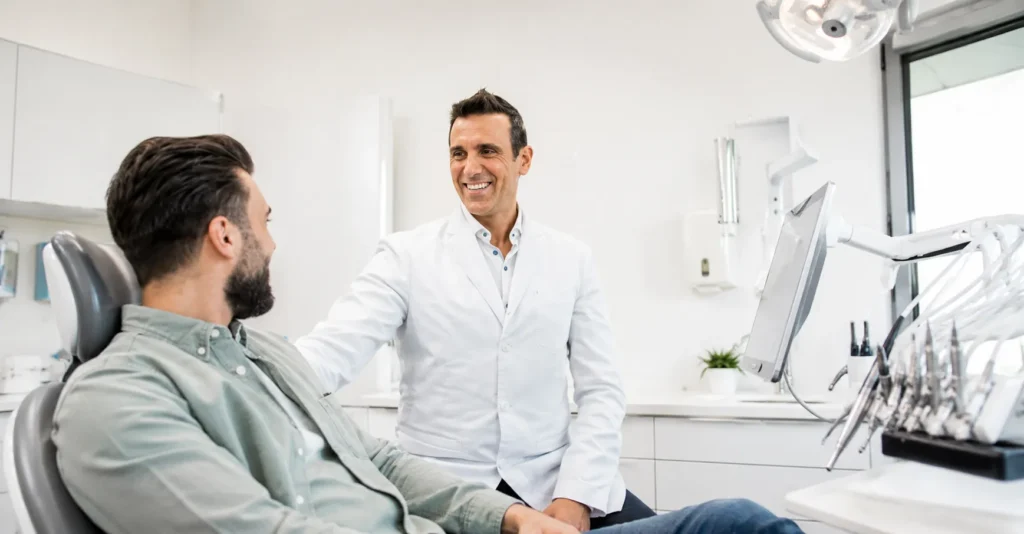
The first thing I do when a new patient sits down is ask them questions. Not just “where does it hurt?” — I want to know their concerns, their medical history, what they’ve dealt with in the past, and what they’re actually trying to accomplish. Before I even pick up a mirror, I need to understand who I’m treating.
That sounds basic, but a lot of dentists skip it. They glance at the X-rays, poke around for two minutes, and start rattling off a treatment plan. The patient walks out confused and suspicious, wondering if everything on that list is really necessary — and honestly, that suspicion isn’t always wrong.
When you take the time to understand someone’s health history and what they want, you’re treating a person, not a set of teeth. That changes everything about how you communicate with them.
Showing Is More Honest Than Telling
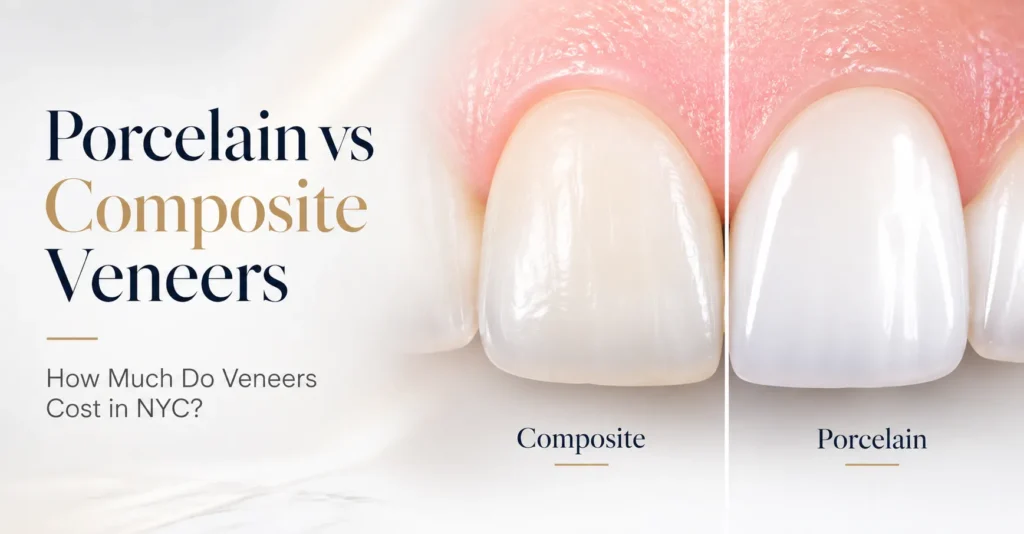
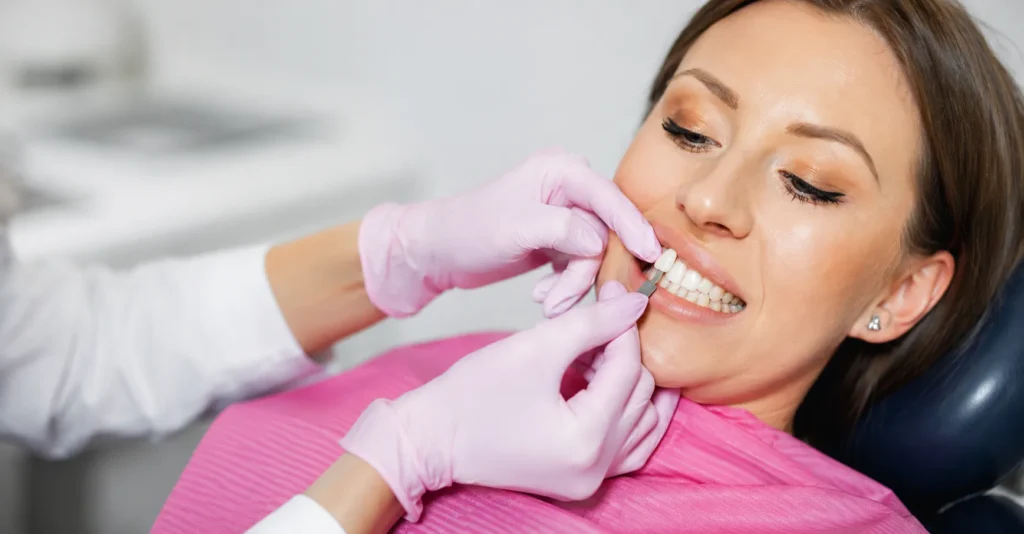
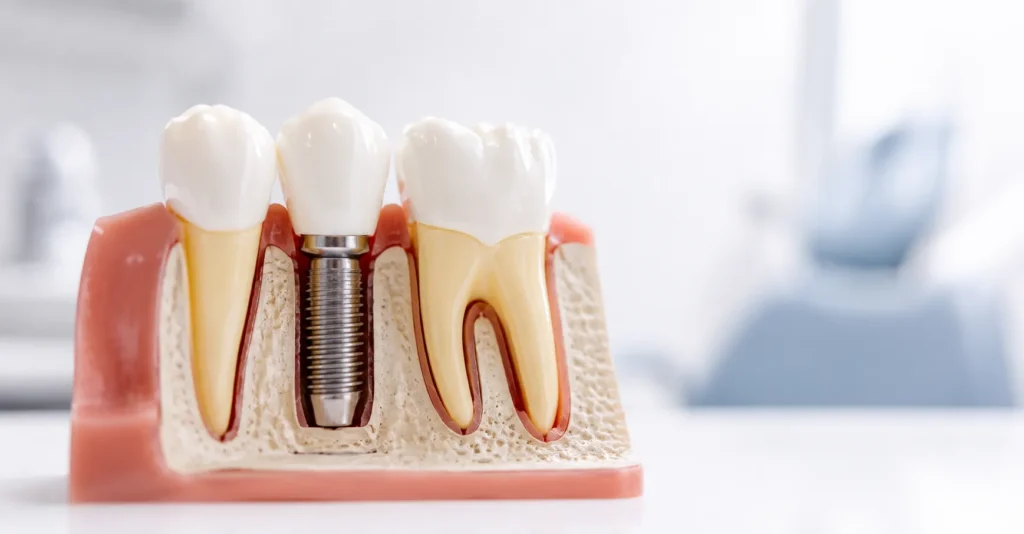
Here’s a situation I run into constantly. A patient comes in wanting cosmetic work — they want veneers, a new crown, maybe a bridge. They’ve been thinking about it for months. They’re excited. And then I look inside their mouth and find decay, infection, a tooth that needs to come out before we can even talk about aesthetics.
That’s a hard conversation. The patient came in with one goal, and now I’m telling them the plan has to change completely.
The wrong way to handle it is to just say “you have a problem, we need to fix it first.” That sounds exactly like every other dentist who’s ever tried to add procedures to a bill. Patients have heard it before. They’re skeptical for good reason.
What we do at Smile Creators Dental is show them. Intraoral cameras, X-rays, mirrors, models — we put the evidence right in front of them. When a patient can see the decay with their own eyes, the conversation changes. It’s no longer my word against their expectations. The problem is visible, and so is the reason we need to address it before moving forward with what they originally wanted.
Their original concern is still valid. We don’t dismiss it. We just explain the sequence of what needs to happen first.
The Trust Problem That Follows Patients From Practice to Practice
One of the most frustrating things about this profession is dealing with the damage done by bad dentists before you.
Patients come in guarded. They’ve been told in the past that they need a long list of treatments, they went ahead with it, and somewhere along the way they started to feel like they were being sold to rather than treated. So when I tell them something needs to be fixed, their first instinct is doubt.
You can’t argue your way past that kind of skepticism. You earn trust by showing your work, being transparent about why each treatment is recommended, and never recommending something you can’t point to and prove.
We rely heavily on diagnostic tools for exactly this reason. If I can’t show it on an X-ray or an image, I need to think harder about whether I’m recommending it for the right reasons.
The Root Canal Debate: Where I Disagree With Most Dentists
Here’s a position a lot of my colleagues would push back on.
The standard approach in dentistry is: if a tooth needs a crown and there’s any sign of nerve involvement, do a root canal first, then crown it. The logic is that if you skip the root canal, you might crown the tooth, the patient comes back in pain months later, and now you have to redo the whole thing.
I don’t always follow that protocol.
My view is that if there’s a reasonable chance the tooth can survive without a root canal, we should try. Not every tooth with a compromised nerve needs to have that nerve removed. Some will heal. Some will stay pain-free for years. If avoiding an unnecessary root canal is possible even 20 or 30 percent of the time, that’s worth pursuing — because root canals are expensive, invasive, and carry their own complications.
Yes, sometimes I crown a tooth and the patient comes back needing a root canal anyway. That happens. But I’d rather try to preserve the nerve when there’s a real chance of success than automatically recommend the more aggressive procedure every time.
The dentists who do root canals by default aren’t necessarily dishonest. Some genuinely believe it’s the safer protocol. But I think the most honest thing you can do is try the conservative option first and be upfront with the patient about why.
What Patients Don’t Know About What Goes on Inside Their Mouth
This is the part most dentists won’t say out loud, so I will.
When a dentist is filling a cavity, they can leave decay behind and seal the filling right over it. The patient can’t see it. The patient can’t feel it — at least not right away. There’s no alarm that goes off, no way for the patient to know it happened.
The only thing stopping a dentist from doing that is their conscience.
That’s not an exaggeration. It’s the reality of dental care. Patients are putting enormous trust in someone who has almost total information asymmetry over them. You don’t know what’s happening inside your mouth. You’re relying on the person with the drill to do the right thing even when no one’s checking.
This is why I think “trustworthy dentist” isn’t really about credentials or technology or even reviews, though all of those matter. At the most fundamental level, it’s about whether that person has the internal standard to do quality work when it would be easy to cut corners.
What to Look for When Choosing an Honest Dentist in NYC
Based on everything above, here’s how I’d tell someone to evaluate a dentist:
- Do they take the time to listen before they start examining you?
- Do they show you the evidence for any recommended treatment, or just tell you what needs to be done?
- Do they explain the reasoning behind their treatment plan in terms you can understand?
- Are they willing to try a conservative approach before recommending something more invasive?
- Do they validate your concerns, even if the treatment you originally wanted has to wait?
None of these things require a medical degree to assess. You can evaluate them on your first visit.
The technology, the credentials, the Google reviews — those all help narrow down your choices. But when you’re sitting in that chair, the question you’re really trying to answer is: does this person have integrity? Are they going to do the right thing when I can’t see what they’re doing?
That’s not something any diploma on the wall can answer for you. You have to pay attention.
Why This Matters More Than People Think
Dental problems don’t stay dental problems. Untreated decay leads to infection. Untreated infection can affect your heart, your blood sugar, your overall health. Patients who don’t trust their dentist avoid coming in until something becomes an emergency, and by then the problem is almost always bigger and more expensive than it needed to be.
Honest communication isn’t just about ethics. It’s about outcomes. Patients who understand their situation and trust their dentist stay on top of their care. They come back. They follow through on treatment plans. They get healthier.
At Smile Creators Dental, we’ve built our practice around that principle. Not because it’s a better marketing strategy, but because after 25 years, it’s the only way to practice dentistry that I can actually stand behind.
Dr. Leonid Shimanov, DDS, is the lead dentist at Smile Creators Dental in Midtown Manhattan. He has been practicing dentistry since 2000 and specializes in cosmetic and restorative dental care. The practice is located at 210 East 47th Street, Suite 1F, New York, NY 10017. New patients can book an appointment at smilecreatorsdental.com.